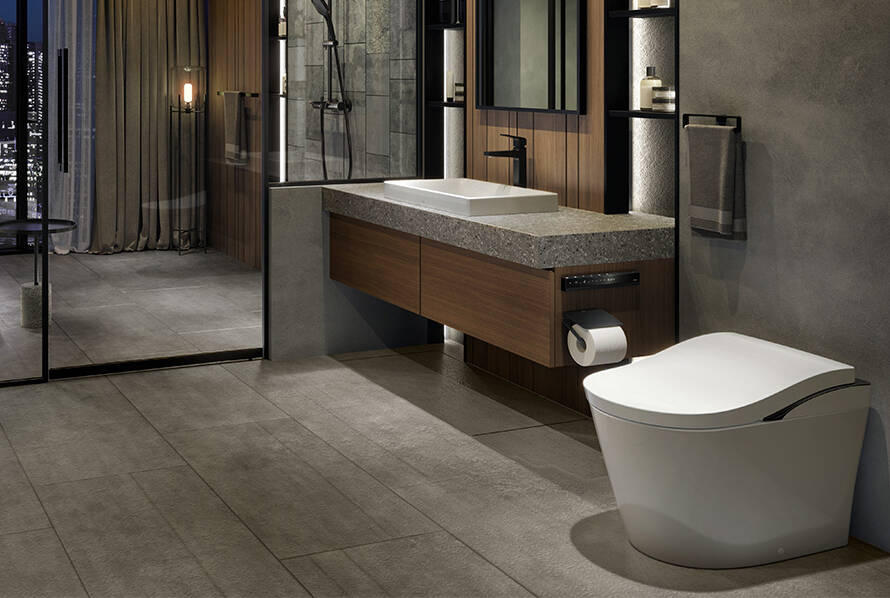
If your bathroom still feels stuck in the past, the quickest way to modernize it is to rethink the fixture everyone uses every day: the toilet. Smart toilets deliver immediate, tangible upgrades in comfort, hygiene, and perceived home value—often with far less disruption than a full remodel. This post focuses on why a smart toilet should be at the top of your upgrade list, what features actually matter, how to budget and install one, and which small complementary updates amplify the impact. Read on to decide whether a smart toilet is the right, high‑impact upgrade for your home.
Why a Smart Toilet Is the Highest‑Impact Upgrade
- Daily comfort you notice immediately. Heated seats, warm‑water cleansing, and adjustable settings transform routine trips into a noticeably better experience.
- Real hygiene improvements. Self‑cleaning nozzles, pre‑mist or electrolyzed water, and touchless flush reduce germs and cleaning time.
- Modern look with minimal disruption. One‑piece and tankless designs create a sleek profile that modernizes a bathroom without demoing tile or cabinets.
- Perceived home value. Buyers notice modern fixtures; a smart toilet signals a well‑maintained, tech‑forward home.
- Water efficiency and savings. Many smart models use advanced flushing to reduce gallons per flush while maintaining performance.
These benefits make smart toilets a high‑return upgrade for homeowners who want big impact with targeted investment.
Key Smart Toilet Features That Actually Matter
Prioritize hygiene, flushing performance, and power requirements over bells like built‑in speakers or mood lighting unless those extras matter to you.
How to Choose the Right Smart Toilet for Your Home
- Decide between a bidet seat and an integrated smart toilet
- Bidet seat: lower cost, easy install, great way to test features.
- Integrated unit: cleaner look, built‑in tech, higher upfront cost.
- Confirm electrical and plumbing compatibility
- Most smart toilets need a grounded outlet within reach.
- Check rough‑in dimensions and water pressure for tankless models.
- Match features to daily needs
- If you want low maintenance, prioritize self‑cleaning and sanitizing tech.
- If comfort is the goal, prioritize heated seats, instant water heating, and presets.
- Compare warranties and service networks
- Established brands often offer easier access to parts and local service.
- Read recent user reviews for the exact model
- Look for consistent feedback on installation, reliability, and customer support.
Installation, Cost, and Timeline
- Unit cost range: Bidet seats typically start in the low hundreds; integrated smart toilets range from mid‑hundreds to several thousand depending on brand and features.
- Installation complexity: Simple seat swaps can be DIY; integrated or tankless installs often require a plumber and sometimes an electrician.
- Typical timeline: Seat swap — a few hours; full replacement — half a day to a full day for standard installs; more for wall‑hung or rough‑in changes.
- Hidden costs to watch: adding an outlet, changing rough‑in, disposal of old fixtures, and permit fees in some areas.
Budget tip: start with a high‑quality bidet seat to test the benefits, then upgrade to an integrated model during a future remodel if you love it.
Maintenance and Longevity
- Routine care: wipe electronics with a damp cloth, follow nozzle cleaning schedule, replace deodorizer filters as recommended.
- Use gentle cleaners: avoid harsh chemicals that can damage glazes and electronics.
- Service expectations: electronics add potential service points; choose brands with clear warranty terms and accessible parts.
- Longevity: well‑engineered models from established brands tend to last longer and require fewer repairs.
A little routine care keeps a smart toilet performing like new and preserves its value over time.
Small Complementary Upgrades That Amplify Impact
- Layered lighting: add a soft night light or vanity task lighting to enhance the modern feel.
- Ventilation upgrade: a better exhaust fan keeps finishes fresh and protects electronics.
- New hardware and faucet: swapping finishes ties the room together with minimal cost.
- Smart controls: integrate the toilet with a bathroom hub or smart home system if you already use voice assistants.
These modest changes make the smart toilet feel like part of a cohesive, modern bathroom rather than a single gadget.
Quick Buyer Checklist
- Measure rough‑in and seat clearance.
- Confirm outlet location or plan for electrician.
- Decide bidet seat vs integrated unit.
- Prioritize hygiene and flushing performance.
- Check warranty, return policy, and local service options.
- Get two installation quotes if professional work is needed.
If your bathroom feels outdated, a smart toilet is one of the fastest, most noticeable upgrades you can make. It modernizes the room’s look, improves daily comfort, reduces cleaning, and signals quality to future buyers—all with less disruption than a full remodel. Start by testing a bidet seat if you’re cautious, or choose an integrated model for a seamless, long‑term solution. Prioritize hygiene tech, flushing performance, and installation compatibility to get the best long‑term value.
Ready to modernize your bathroom with a smart toilet that delivers real comfort and value? Smart Thrones helps homeowners compare models, verify electrical and plumbing needs, and schedule professional installation with transparent pricing and flexible financing. Book your free consultation today and get a personalized recommendation and cost estimate—no surprises, just a smarter bathroom.